
shop now
book classes
Master the Markets
shop now
book classes
Mathson Mathew
Forex Mentor • Published: 13 July 2026 • 4 min read
Last updated: 17 September 2026
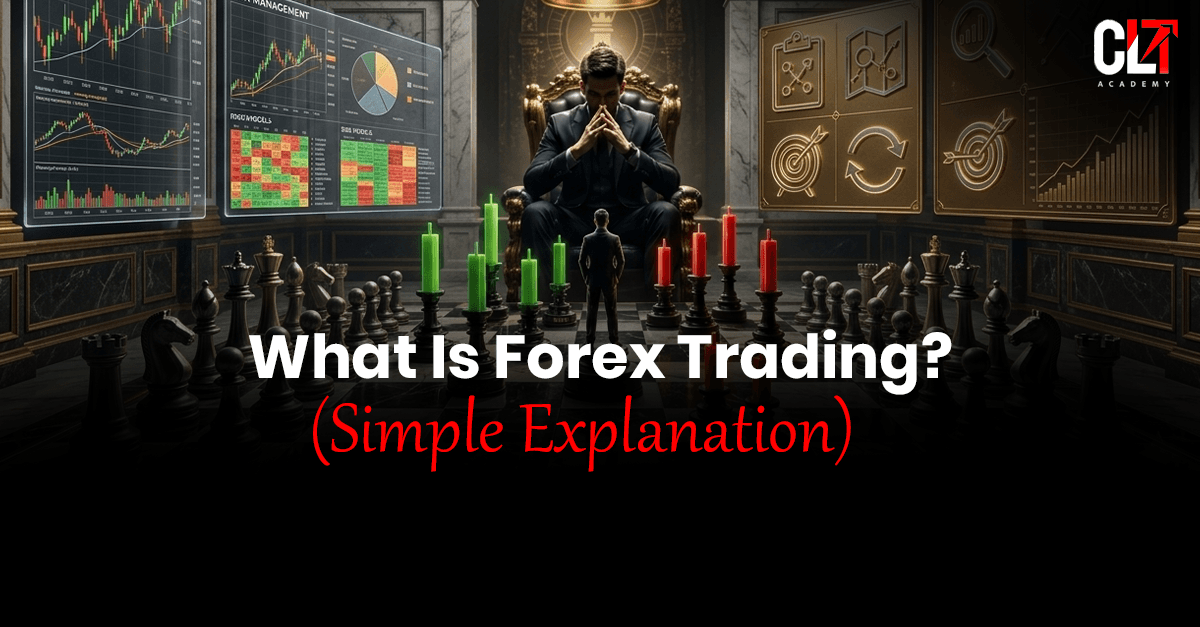
Profile LinkForex trading, short for foreign exchange trading, is the process of buying one currency and selling another with the aim of making a profit from changes in exchange rates. It is the world’s largest and most liquid financial market, operating 24 hours a day, five days a week, with trillions of dollars traded daily. Whether you’re a beginner exploring new investment opportunities or someone curious about how global currencies move, understanding what is forex trading is the first step toward informed participation.
Forex trading may seem complex at first, but once you break it down into simple concepts, it becomes far more approachable. This guide explains what forex trading is in clear, expert-level terms—without unnecessary jargon—so you can build a strong understanding before placing your first trade.
Forex (FX) trading involves exchanging one currency for another in the global foreign exchange market. Currencies are always traded in pairs, such as EUR/USD or GBP/JPY. When you trade forex, you’re essentially speculating on whether one currency will rise or fall in value compared to another.
High Liquidity: With over 7 trillion dollars traded daily, forex offers unmatched liquidity.
24/5 Market Access: Trade anytime from Monday to Friday, across global time zones.
Diverse Opportunities: From major pairs like EUR/USD to exotic pairs like USD/TRY, there’s something for every trading style.
Low Transaction Costs: Forex typically has lower fees compared to other financial markets.
The forex market is decentralized, meaning there’s no central exchange. Instead, trading happens electronically over-the-counter (OTC) through a network of banks, brokers, and individual traders. Prices are influenced by global economic factors such as interest rates, inflation, geopolitical events, and market sentiment.
Understanding these fundamentals before diving into technical analysis is essential for long-term success. For a structured learning path, our Pillar page offers a comprehensive roadmap for beginners to master both the basics and advanced strategies.
If you’re new to forex, here’s a simple roadmap to begin:
At CLT Academy, we focus on practical, risk-first education that prepares traders for real market conditions. Our curriculum covers core topics such as reading price action, managing risk per trade, and building a repeatable trading plan. Whether you prefer self-paced modules or guided sessions, our resources are designed to help beginners and intermediate traders move from theory to confident execution.
Forex trading offers immense opportunities for those willing to learn and approach it with discipline. Whether you’re curious about currency pairs, pips, or risk management, our resources are designed to guide you every step of the way
Forex Trading for Beginners | The Complete Guide 2026.
Is forex trading suitable for beginners?
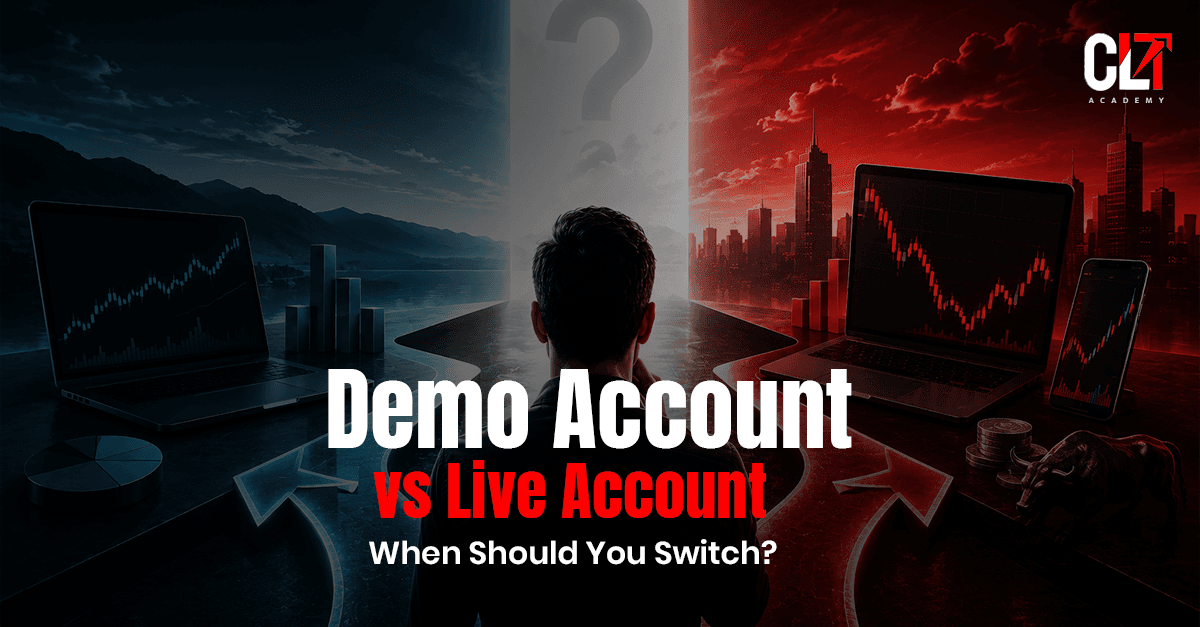
Yes, but only with proper education and risk management. Beginners should start with demo accounts and gradually move to live trading once they’re confident.
How much money do I need to start forex trading?
You can start with as little as 100 dollars, depending on your broker and leverage. However, it’s wise to trade only what you can afford to lose.
What is the best time to trade forex?
The forex market is most active during the overlap of major trading sessions, such as the London and New York sessions (approximately 1 PM to 5 PM GMT).
What is Forex and How Does it Work? – IG International: ig.com
What is Forex Trading – Groww: groww.in
Forex Trading for Beginners – FXTM: fxtm.com
How to Start Forex Trading – Saxo Bank: home.saxo
17 September 2026 • 11 min read

9 September 2026 • 8 min read
29 August 2026 • 9 min read
Trade Craft
4 weeks
Learn the essentials of trading — from platform basics and price patterns to risk control and market mindset — all in one high-impact, beginner-friendly course..
Profit Matrix
8 weeks
Designed for traders who know the basics but lack execution clarity, this 8-week program dives into advanced trade planning, market psychology, and strategic precision. Take the leap from potential to profitability — and build habits that last a lifetime.