Forex Trading for Beginners | The Complete Guide 2026
Learn forex trading for beginners with this step-by-step guide. Understand currency pairs, risk management, trading basics, and avoid common mistakes.
Master the Markets

shop now
book classes
Everything beyond the classroom, build to give you the edge the market respects.

Learn forex trading for beginners with this step-by-step guide. Understand currency pairs, risk management, trading basics, and avoid common mistakes.

Discover why successful trading is about knowledge, discipline, and risk management—not quick profits. Learn how beginners can build long-term trading skills with CLT Academy.

Learn why failure is part of success in trading for beginners. discover how trading psychology, risk management in trading, and trading journals help traders improve. Explore how CLT Academy can help you learn trading from zero.

Learn how to recover from trading drawdown without panic. Discover proven risk management strategies, psychology tips, recovery techniques, and practical steps to protect your trading account and trade with confidence.

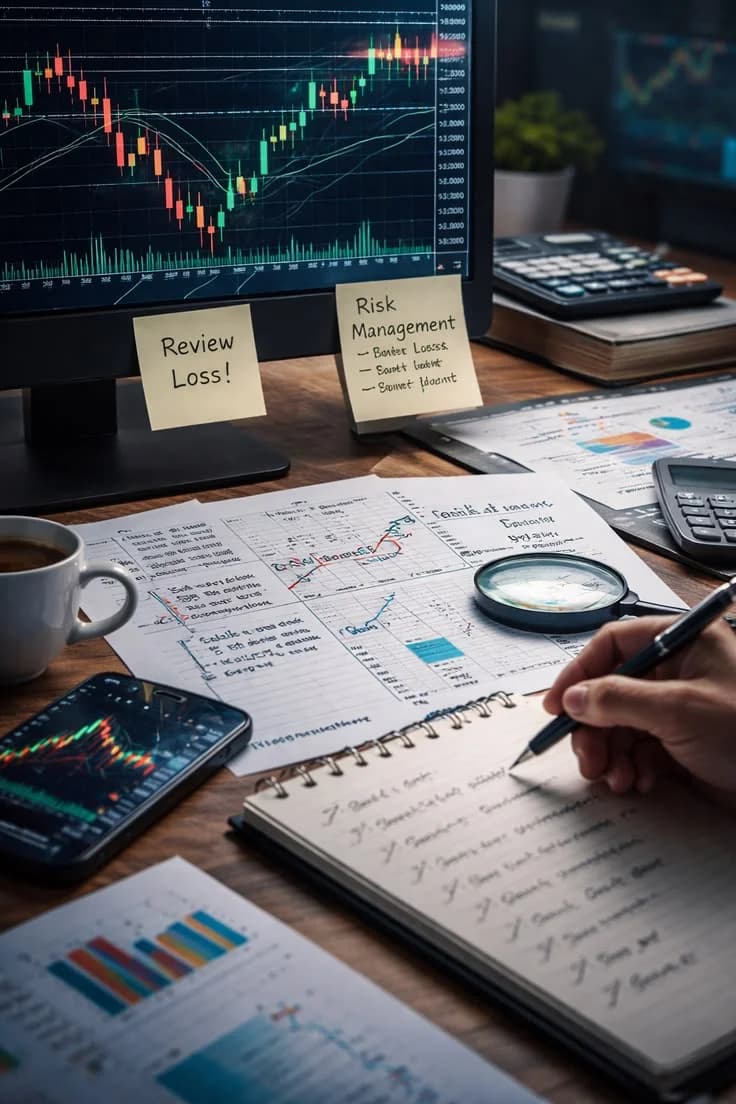
Discover how recording daily trades improves discipline, trading psychology, risk management, and decision-making for long-term trading success.

Trade journaling separates consistent traders from struggling ones by transforming trading from an emotional, guess-based activity into a data-driven, professional business.

Trading without a plan leads to inconsistent results because it replaces objective, tested rules with emotional, impulsive decision-making.

Execution speed matters more than indicators in trading because it directly determines the actual entry and exit prices, reducing the impact of slippage and ensuring a trader's strategy is executed as intended.

Time compression in trading—the phenomenon where price action consolidates into a tight, low-volatility range before an explosive move—quietly influences outcomes by shifting the market from a state of equilibrium to one of high-risk, high-reward, often catching unprepared traders off guard. It influences outcomes by creating "hidden" dangers where low volatility encourages over-leveraging and overconfidence, only for a swift reversal to destroy capital.