
Why Trade Journaling Separates Consistent Traders From Struggling Ones
Trade journaling separates consistent traders from struggling ones by transforming trading from an emotional, guess-based activity into a data-driven, professional business.

Master the Markets

shop now
book classes
Setups, market structure and execution: liquidity zones, volatility patterns, order flow and the timing behind each entry.

Trade journaling separates consistent traders from struggling ones by transforming trading from an emotional, guess-based activity into a data-driven, professional business.


Trading without a plan leads to inconsistent results because it replaces objective, tested rules with emotional, impulsive decision-making.

Execution speed matters more than indicators in trading because it directly determines the actual entry and exit prices, reducing the impact of slippage and ensuring a trader's strategy is executed as intended.

Time compression in trading—the phenomenon where price action consolidates into a tight, low-volatility range before an explosive move—quietly influences outcomes by shifting the market from a state of equilibrium to one of high-risk, high-reward, often catching unprepared traders off guard. It influences outcomes by creating "hidden" dangers where low volatility encourages over-leveraging and overconfidence, only for a swift reversal to destroy capital.

Timing the market matters more than most traders realize because missing only a handful of the market's best-performing days can devastate long-term returns, often cutting them in half or turning gains into losses.

An Order Flow Imbalance (OFI) strategy capitalizes on short-term supply/demand disparities, buying when aggressive buying volume significantly outweighs selling volume (often a 4:1 ratio) and selling when selling dominates.

The Anchored VWAP (AVWAP) Reversion Strategy identifies institutional "fair value" by anchoring a volume-weighted average price to major, high-volume price pivots or news events, treating these levels as dynamic support/resistance to trade mean-reversion setups.

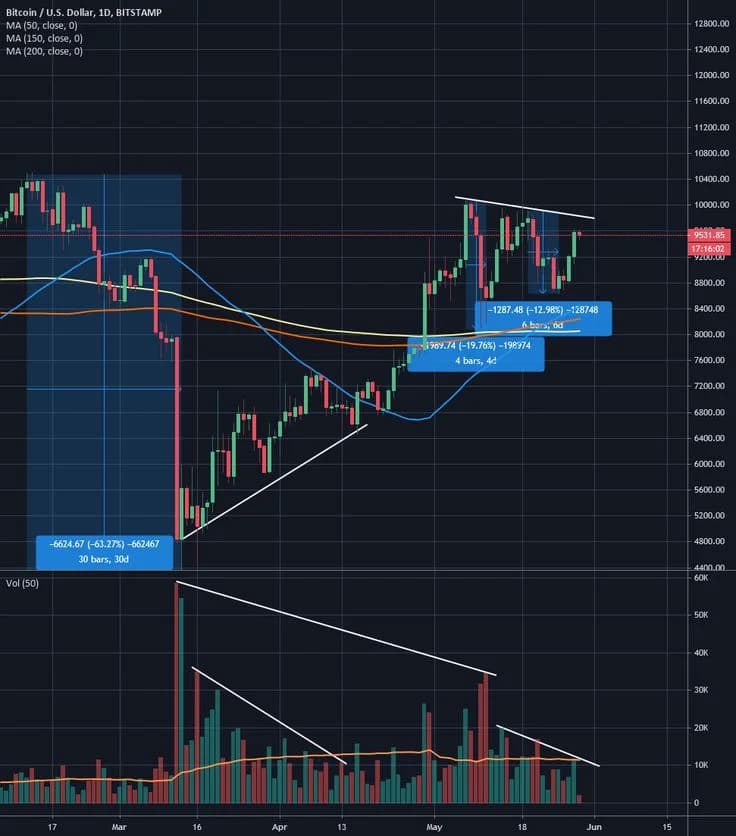
The Volatility Compression Breakout strategy capitalizes on periods of low price movement (consolidation) that typically precede high-volatility, explosive moves

The Volatility Contraction Pattern (VCP), popularized by Mark Minervini, is a high-probability, trend-following strategy that identifies institutional accumulation by spotting tightening price action and reduced volume (supply dry-up) before an explosive breakout.

Market structure serves as the primary "map" for Forex traders, providing the underlying logic for every trend, reversal, and consolidation without relying on lagging indicators. It is the foundation for professional trading because it reveals the path of least resistance and highlights where large institutional "smart money" is likely active.

Liquidity zones control market movement by acting as magnets for price action, where large volumes of buy and sell orders (stop-losses and breakout orders) are concentrated.

Supply and demand in Forex drive currency price movements based on the balance between buyers (demand) and sellers (supply).